
Jump to:
🧭 Step by Step
Step 1: Ensure Admin Profile
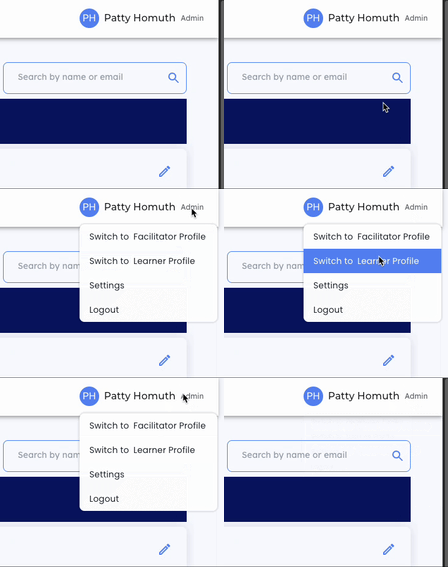
- To create groups, first ensure you are logged in as an admin . Check your profile at the top right corner of your screen.
Step 2: Locate Groups on the Navigation Menu
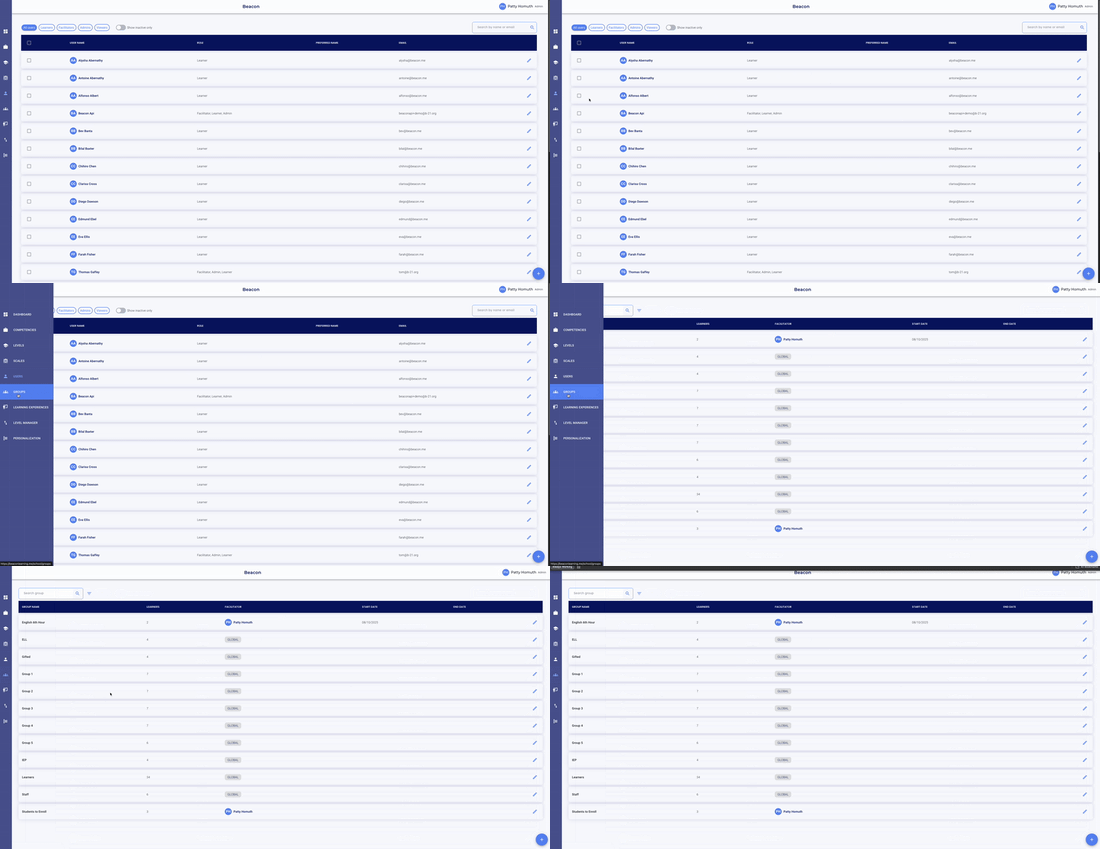
- Once in the admin profile, you will see "Groups" by hovering your cursor on the left side of the page to activate the navigation menu.
Step 3: Add a New Group
- Click on the
 button to open a pop-up window titled "Add new group".
Step 4: Configure Group Details
- Enter your desired Group Name.
⭐ Group names should clearly indicate their purpose or the learners they contain ⭐
- You can add a Primary facilitator, but only that user will be able to use that group as a filter. Admins or the Primary facilitator can edit the group if a primary is assigned.
- You can leave the Primary facilitator field blank: this makes the group Global, which means any facilitator can see and use that group, but only Admins can edit/add/remove learners.
- Add learners to the group as needed. You can do this by selecting individuals from a list or by entering their email addresses directly.
- Optionally, set a start date and end date for the group.
- Select "Save" to create the group.
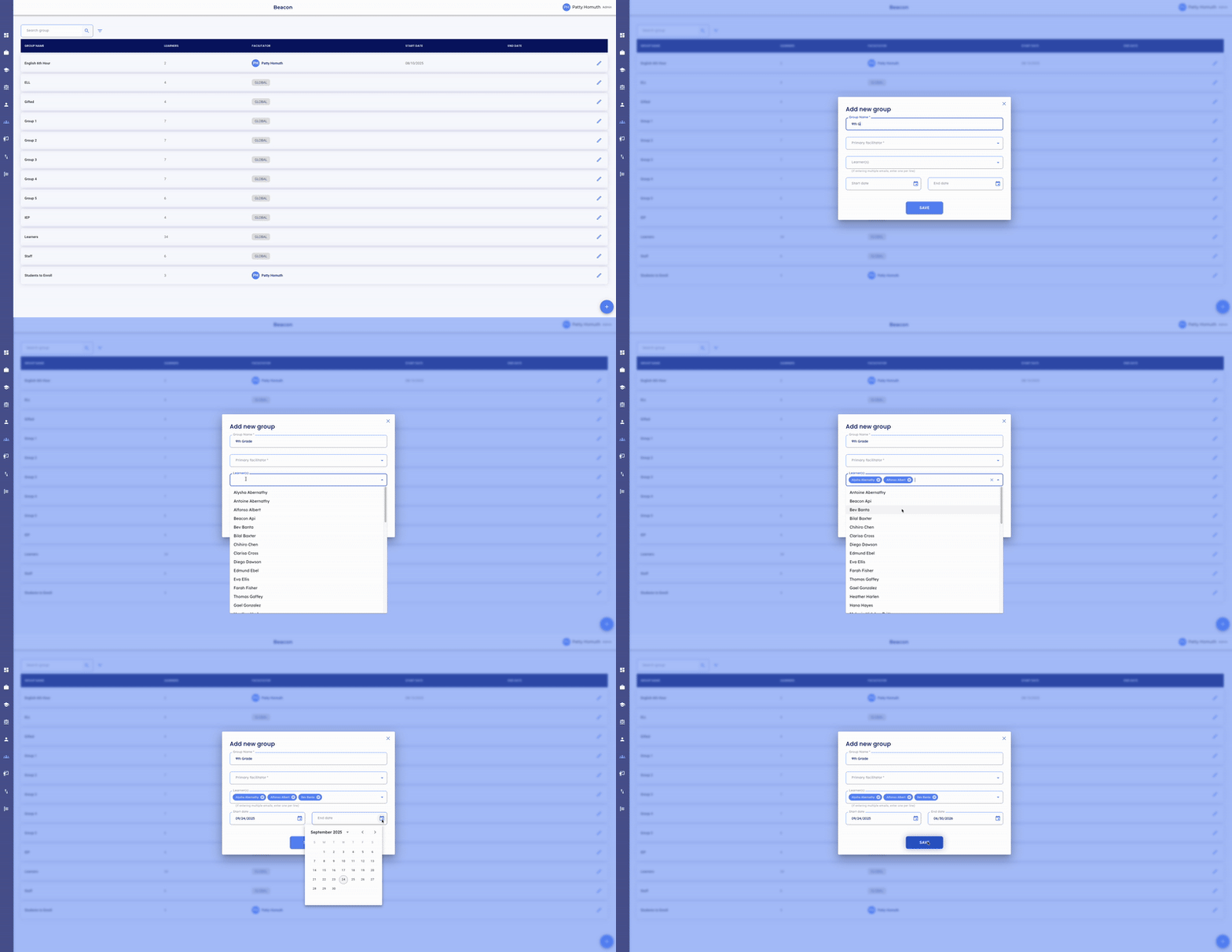
- Your newly created group will be listed on the Groups page. Admins can see and edit all Groups in the system, but if a Primary facilitator is listed, only that user can use the groups as a filter.
💥 See Groups in Action! 💥
Want inspiration? See how admins use Groups to manage learners in the system.
🤔 FAQs
Q: Can I add learners to a group after it's created?
A: Yes, you can manage group memberships at any time by editing the group.
Q: Can learners see the groups they've been added to?
A: Learners cannot see what groups they have been added to. The group feature is to help admins/facilitators quickly access sets of learners when checking progress, adding to learning experiences, assigning tasks, or enrolling users in portfolios.